
Getting ghosted once a deal closes is all too common for onboarding teams.
By creating a process that communicates what’s next AND alerts our teams if things get off track, we can make sure we start making progress quickly.
Here’s how it works:
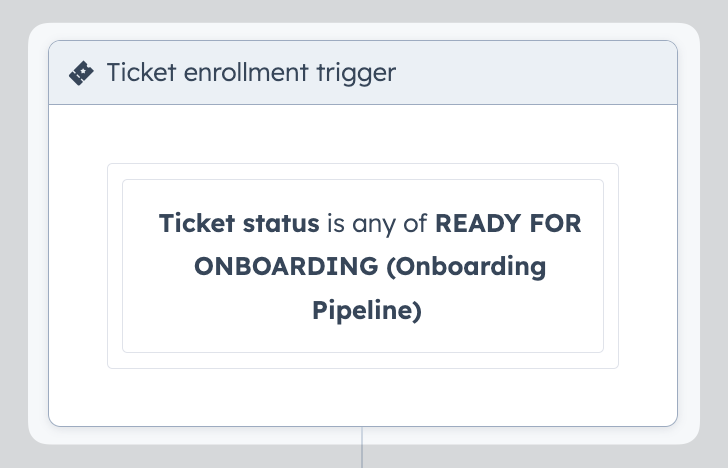
1. Trigger this workflow when a new ticket is created in our onboarding pipeline
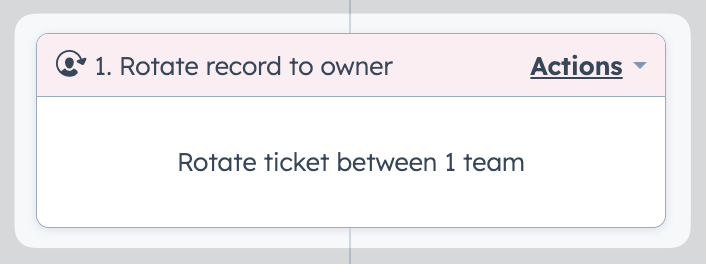
2. Rotate the ticket between members of our onboarding team to assign an owner
3. Create an if/then branch checking who has been assigned as an owner of the ticket
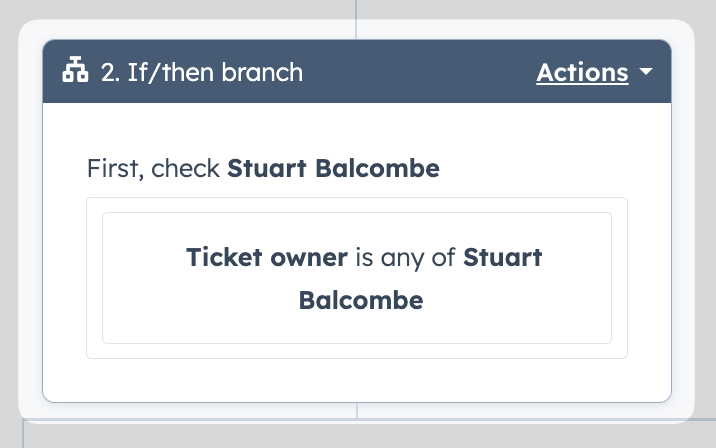
4. For each possible owner branch set the value of “Owner Meeting Slug” to that team member’s meeting link slug
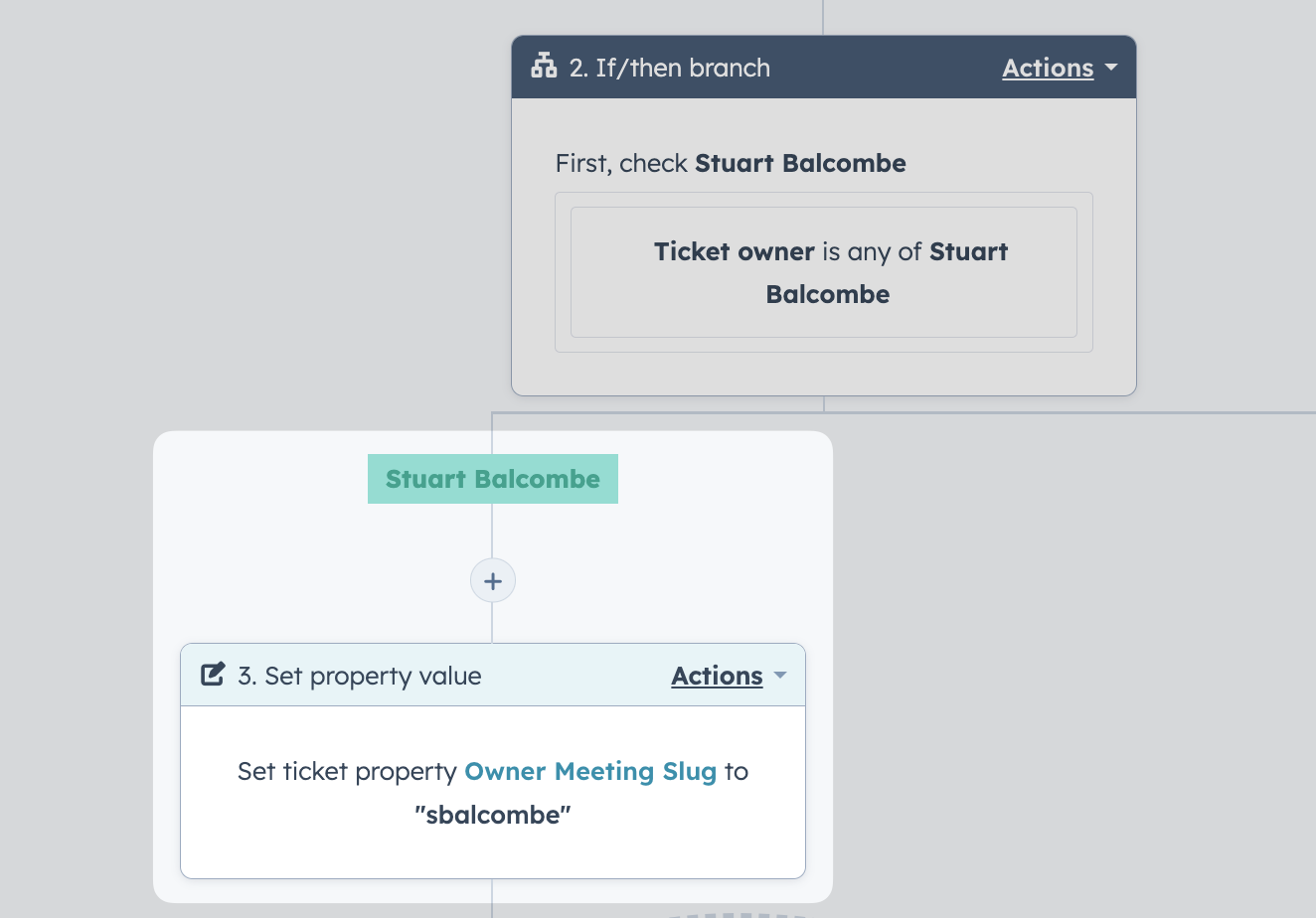
5. Create an Arrows customer facing onboarding plan for this customer (that includes the owners meeting link)
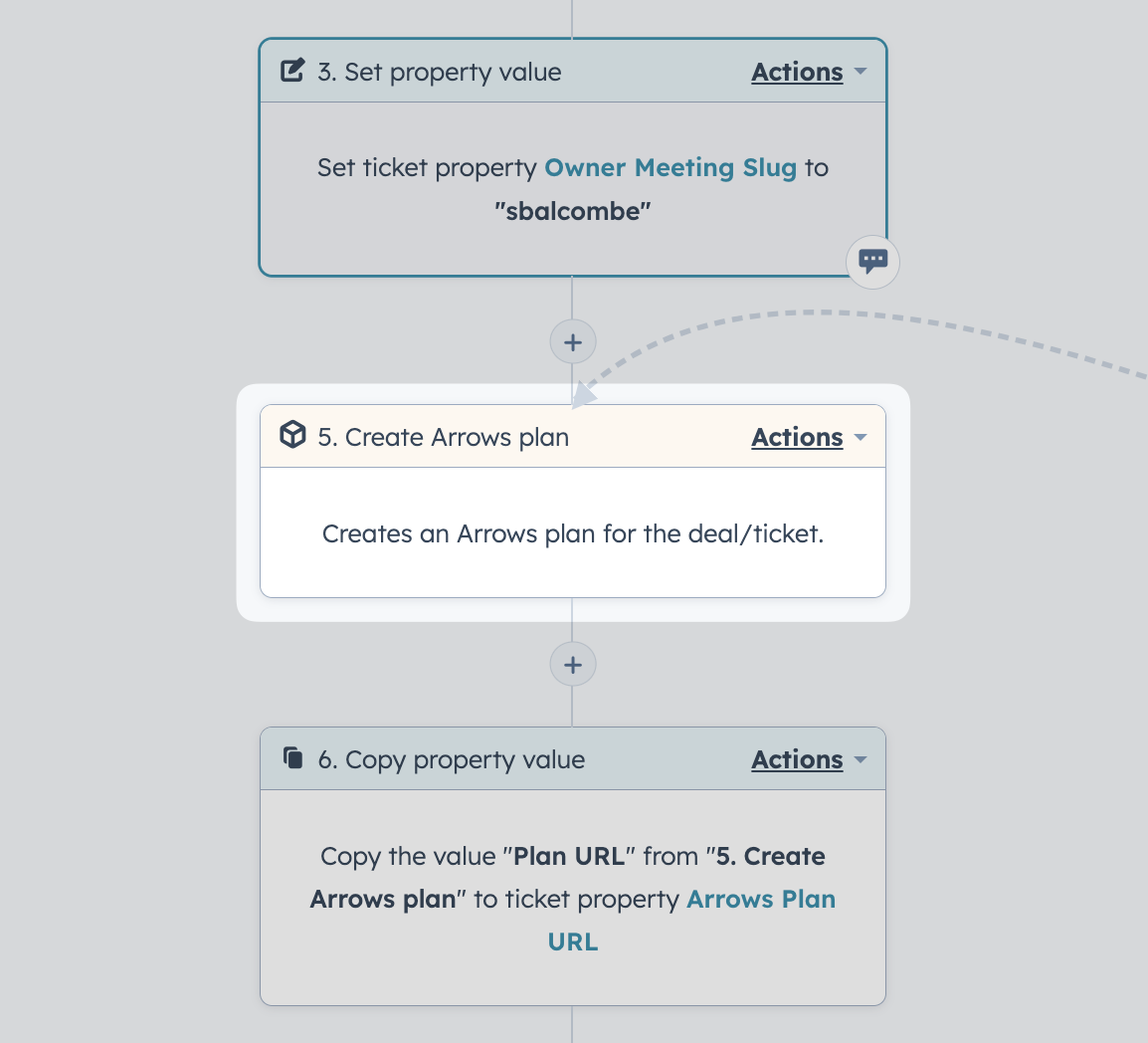
6. Copy the URL to access the newly created plan to a property on the ticket
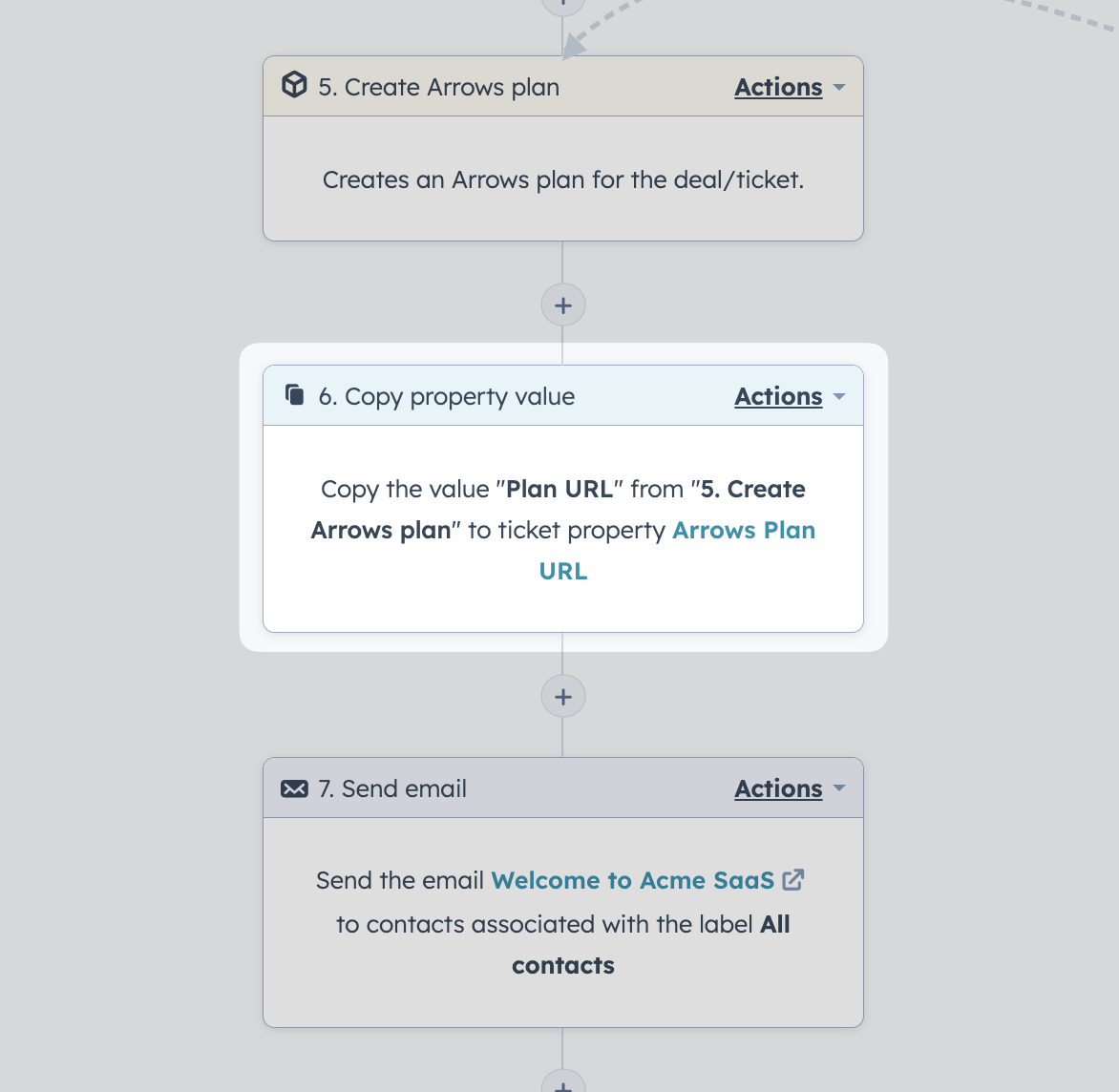
7. Send anautomated welcome emailusing the “Welcome” template to associated contacts that includes a link to the onboarding plan
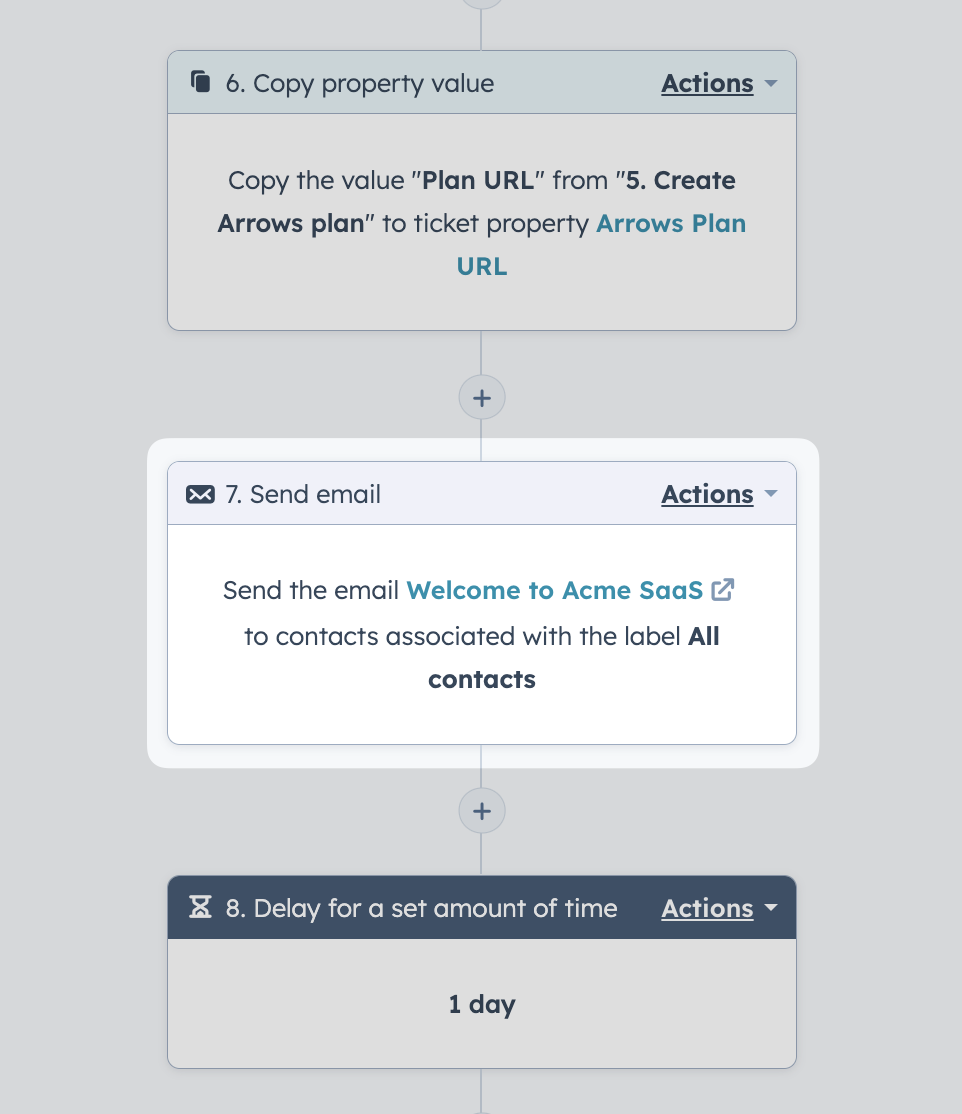
8. Delay the workflow for 1 day
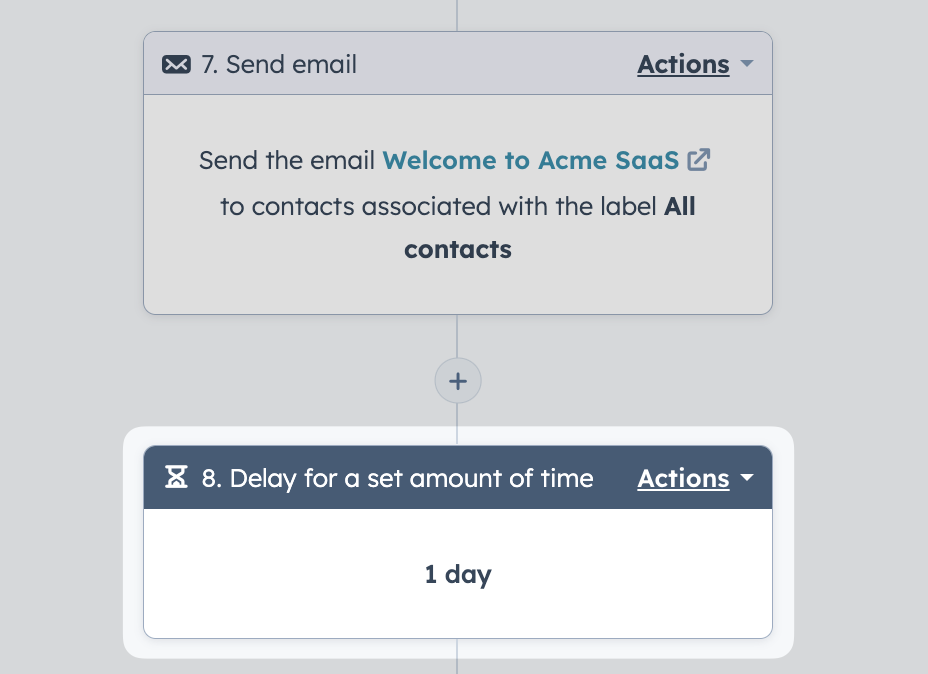
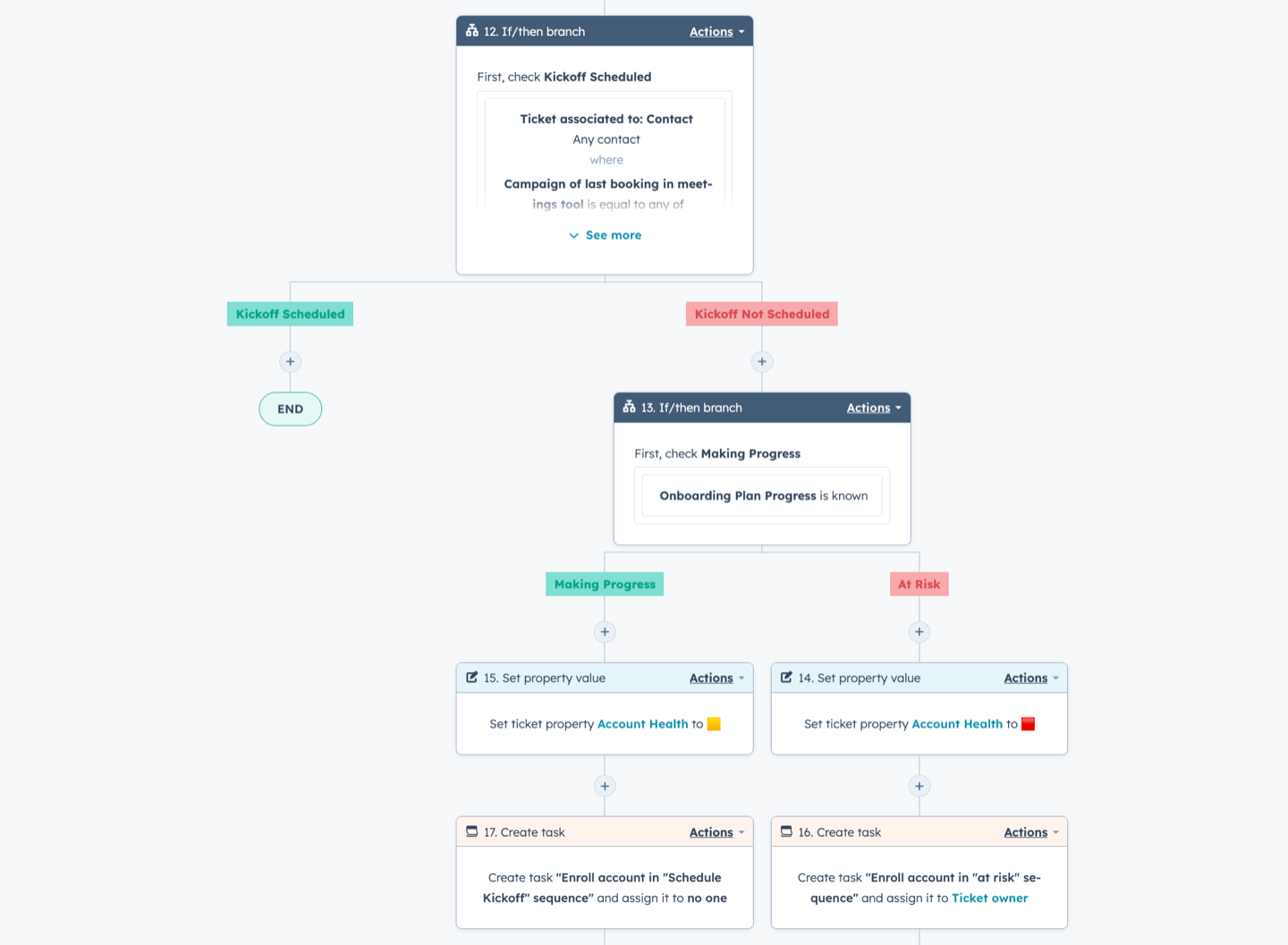
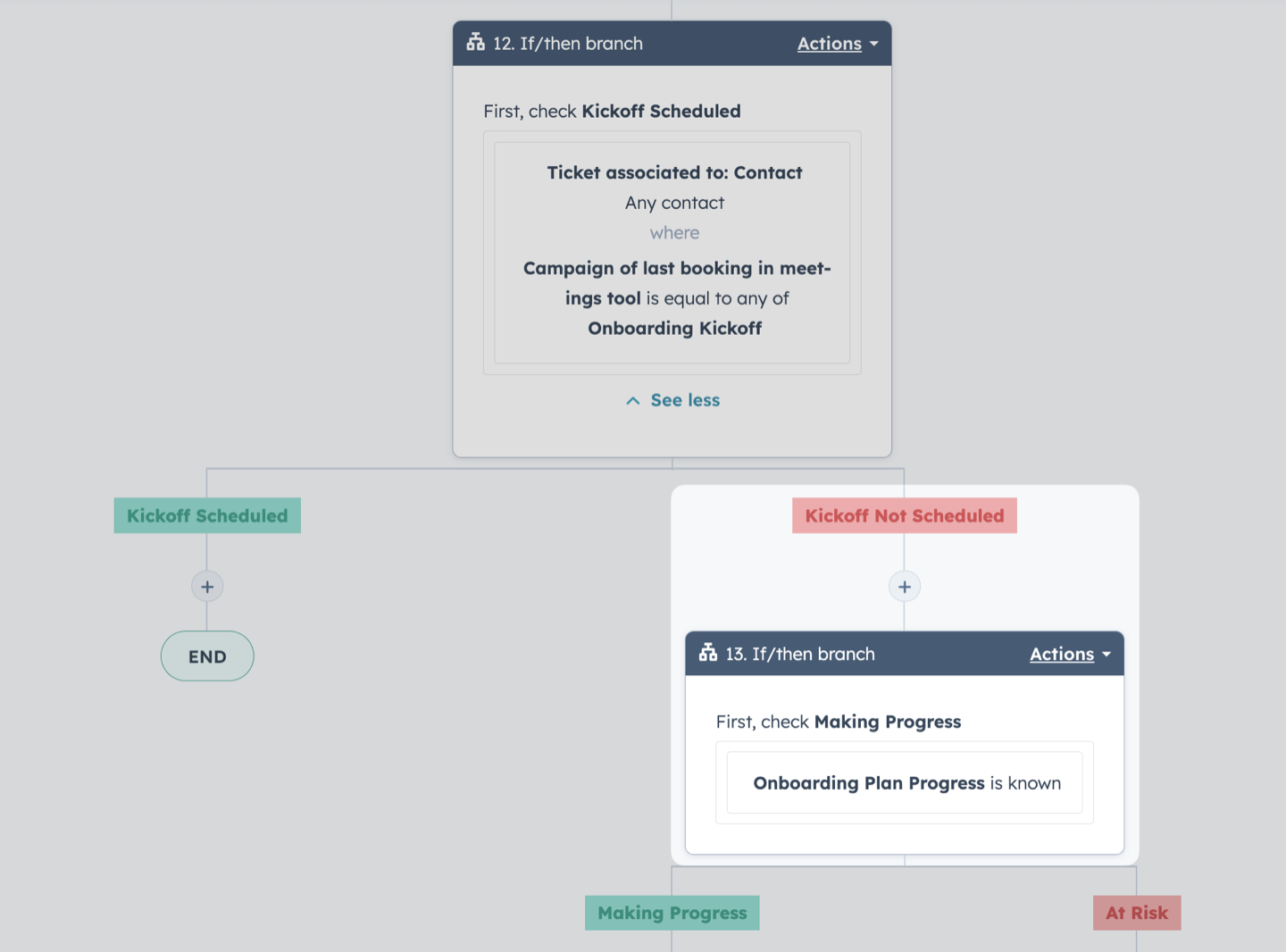
9. Create an if/then branch to check if a contact associated with this onboarding ticket has booked a meeting where the campaign is equal to any of “Onboarding Kickoff”
- If a meeting has been scheduled we can exit the workflow. All is good.
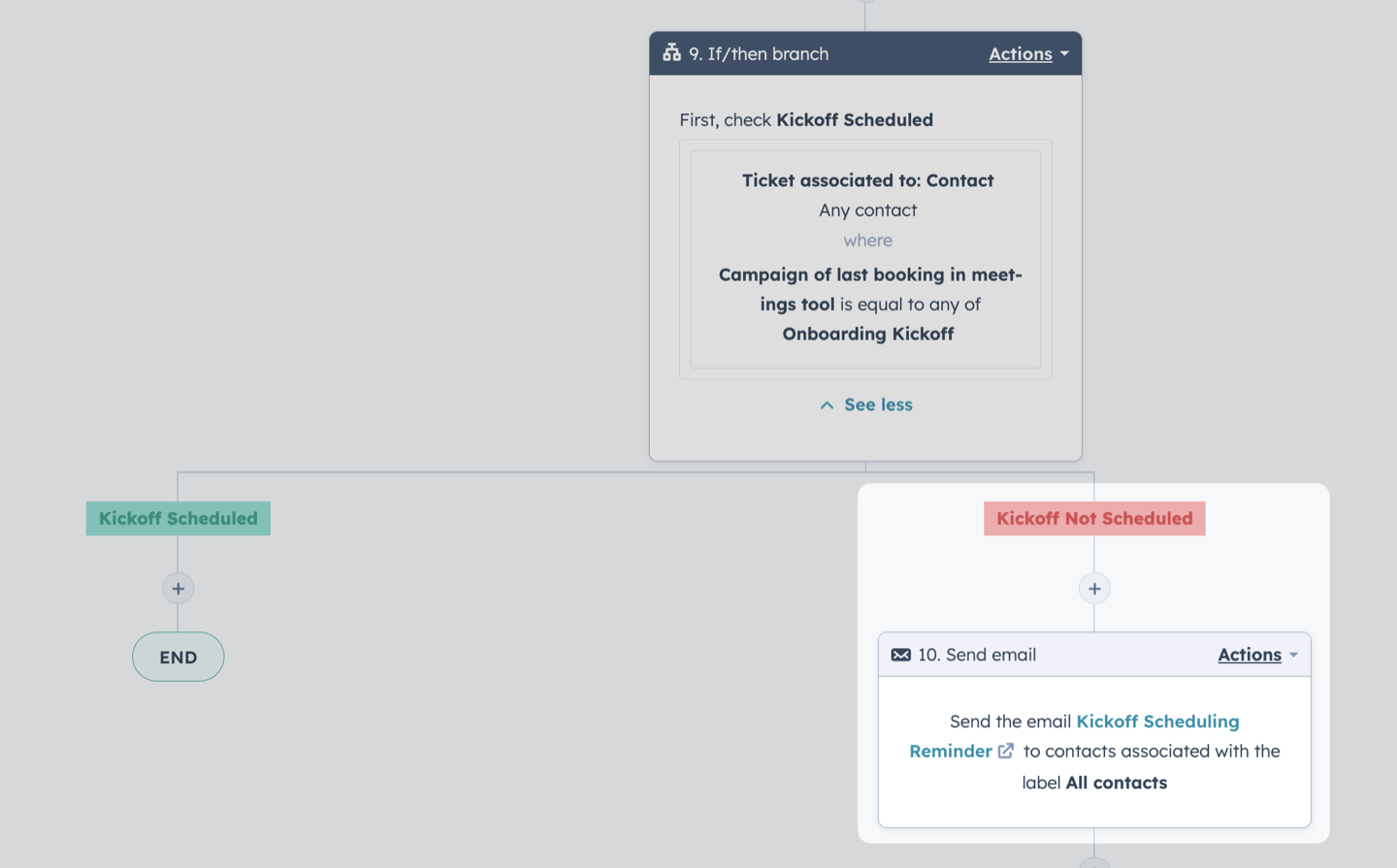
- If a meeting has not been scheduled we need to take the appropriate next steps to drive action.
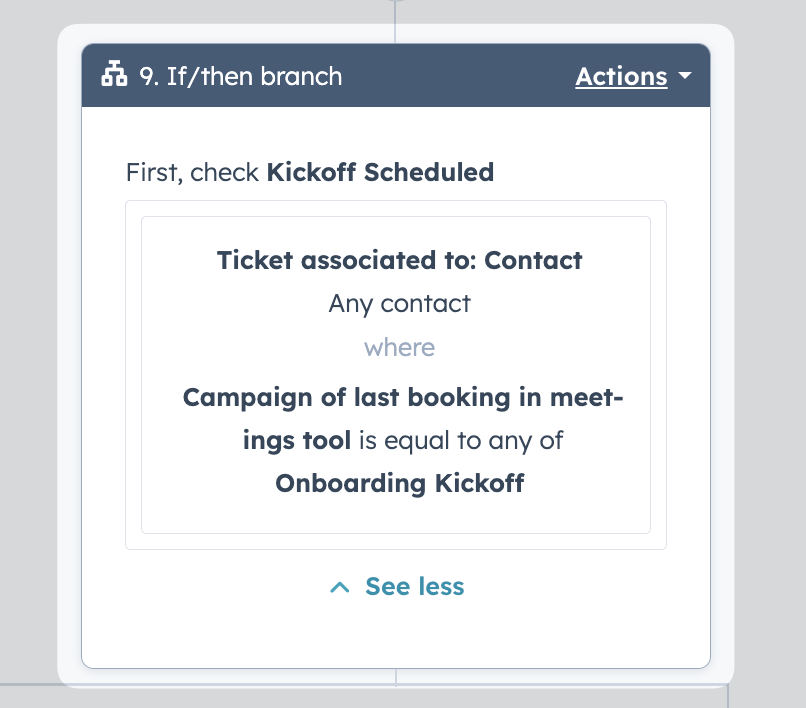
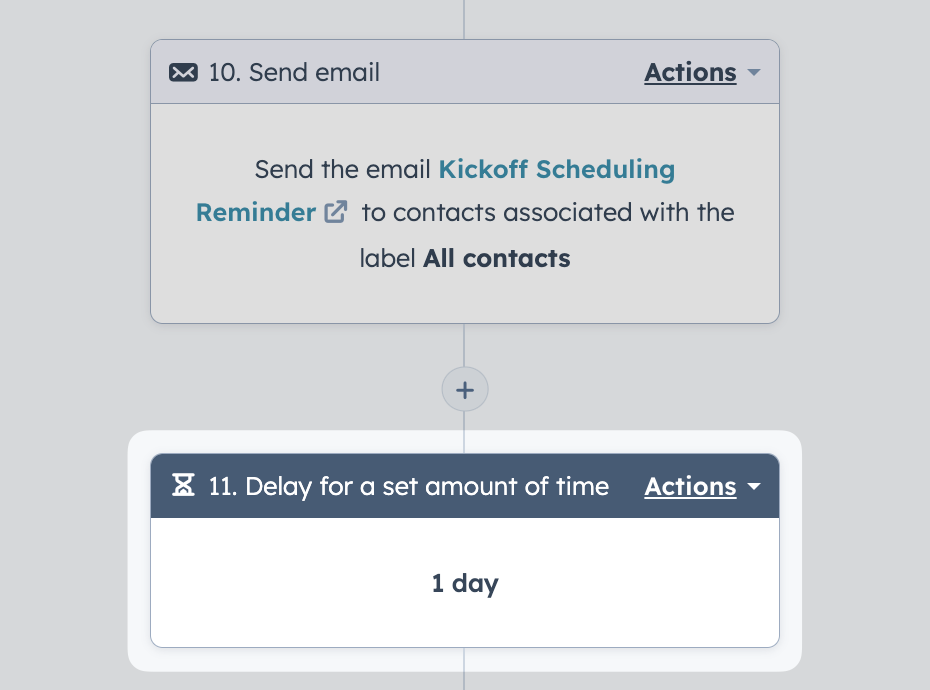
10. If meeting not schedule, send an automated reminder email which includes a link to the task in the onboarding plan to book the meeting.
11. Delay the workflow for 1 day
12. Repeat the if/then from step 9 to check if a contact associated with this onboarding ticket has Booked a Meeting where the Campaign is equal to any of “Onboarding Kickoff”
- If meeting has been scheduled we can exit the workflow. All is good.
- If meeting has not been scheduled we want to check if any action has been taken in our plan to determine the level of risk.
13. IF/THEN check if “Arrows Plan Progress” has any value. This indicates a customer has completed tasks in their onboarding plan
- If tasks have been completed we still need them to book their kickoff but they are engaged
- If no tasks have been completed AND they haven’t scheduled a call they are now “At Risk”
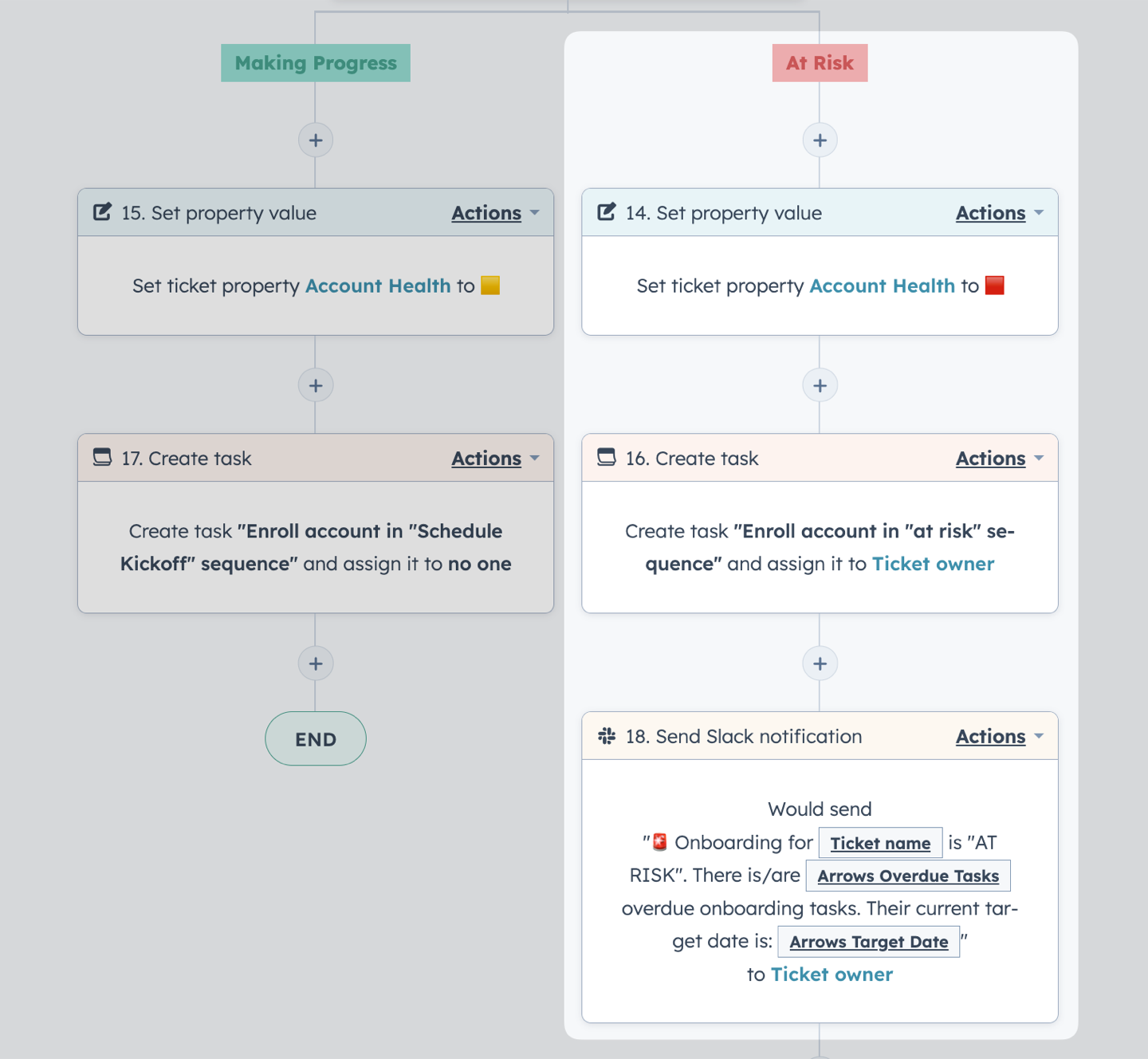
14. For “At Risk” accounts:
- Set the “Account Health” property to 🟥
- Create a task for the ticket owner to enroll them in an “at risk” sequence
- Send an alert to Slack to increase visibility
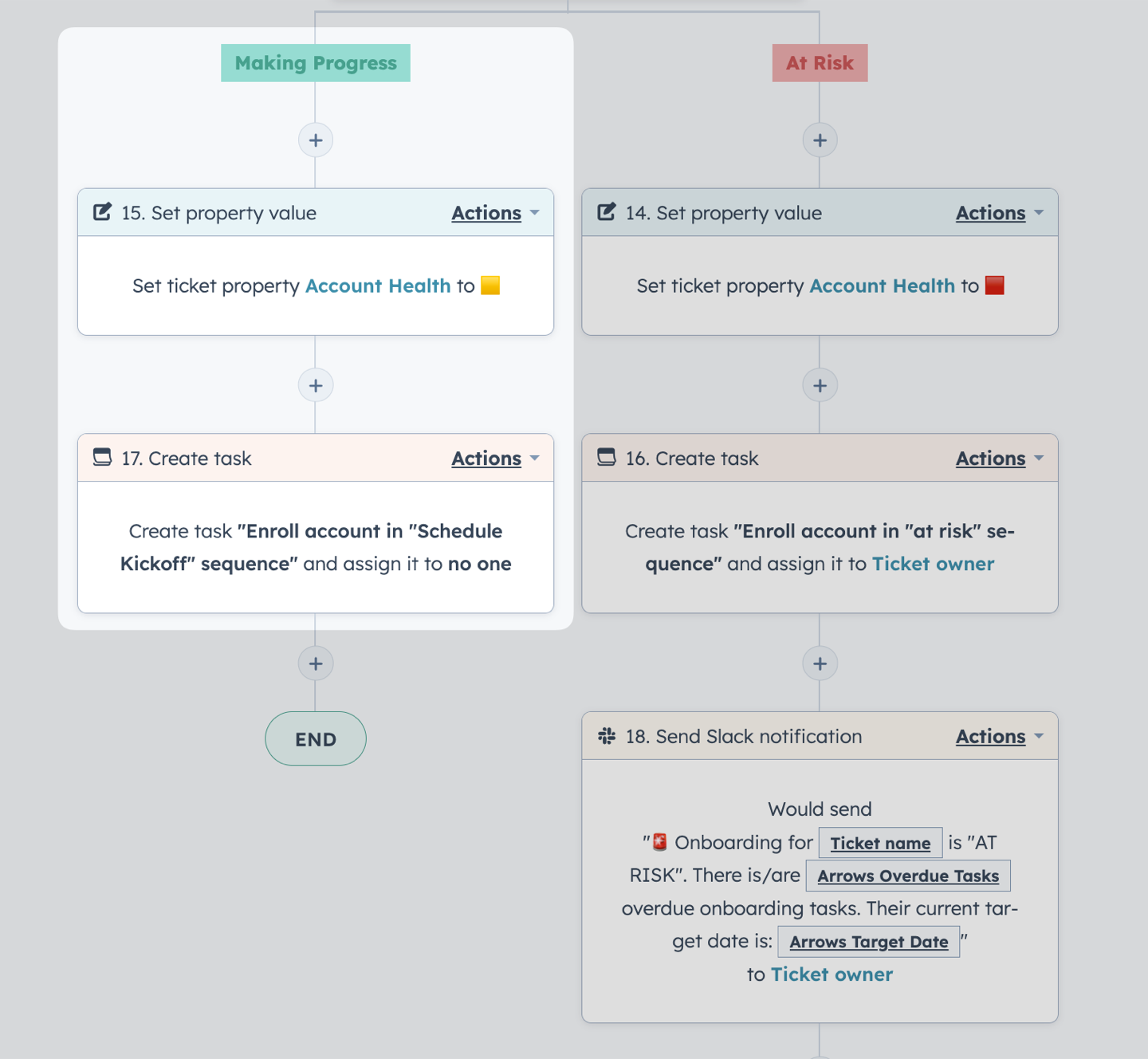
15. For “Making Progress” accounts:
- Set the “Account Health property to 🟨
- Create a task for the ticket owner to enroll them in a meeting booking sequence.
Effective onboarding builds momentum, if you can avoid “drag” between customers taking action, understanding the next step and your team’s response when things get off track, you’ll more effectively keep them in motion.
